
Answers to Frequently Asked Questions about CPR & First Aid Certification
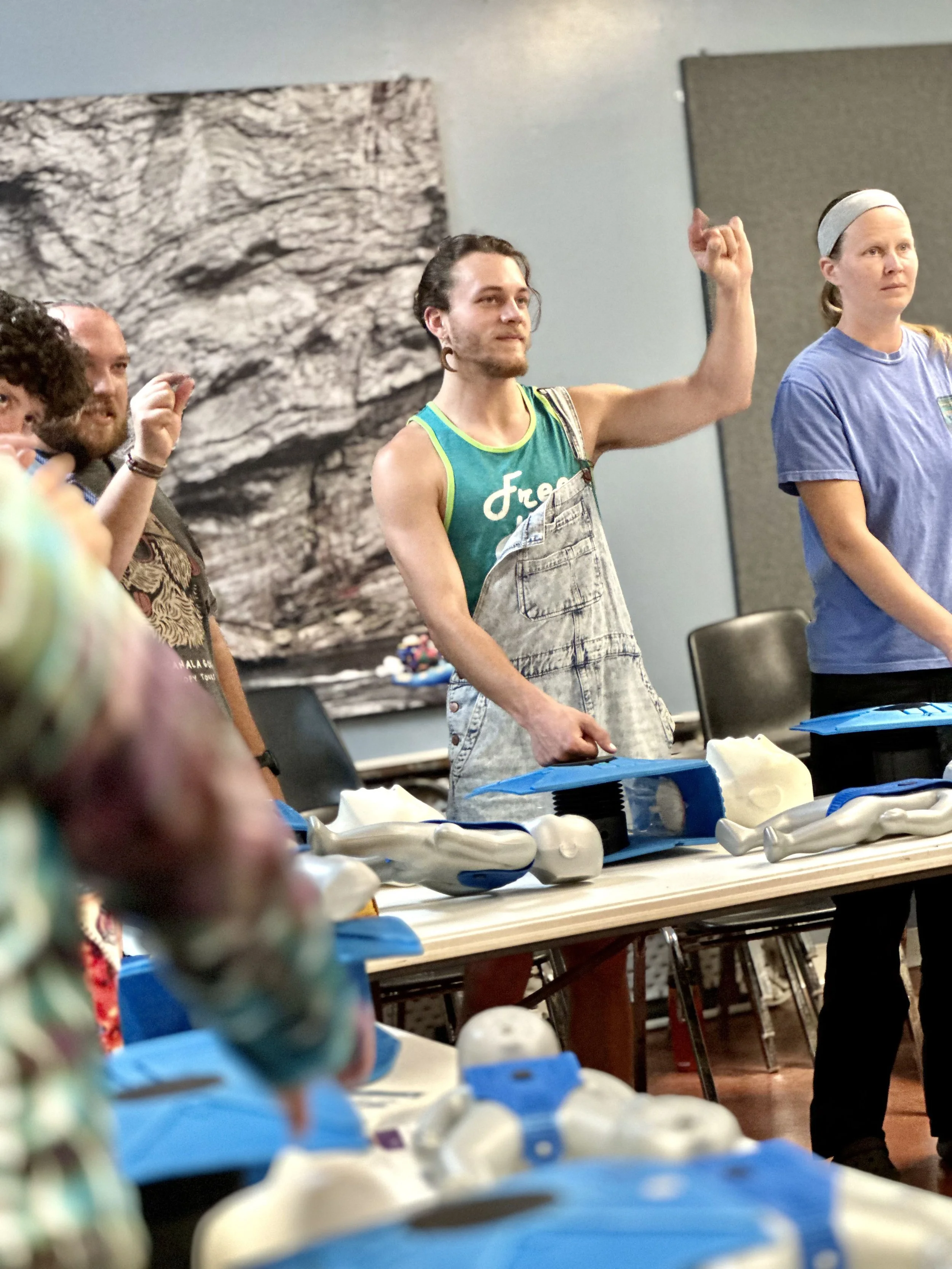
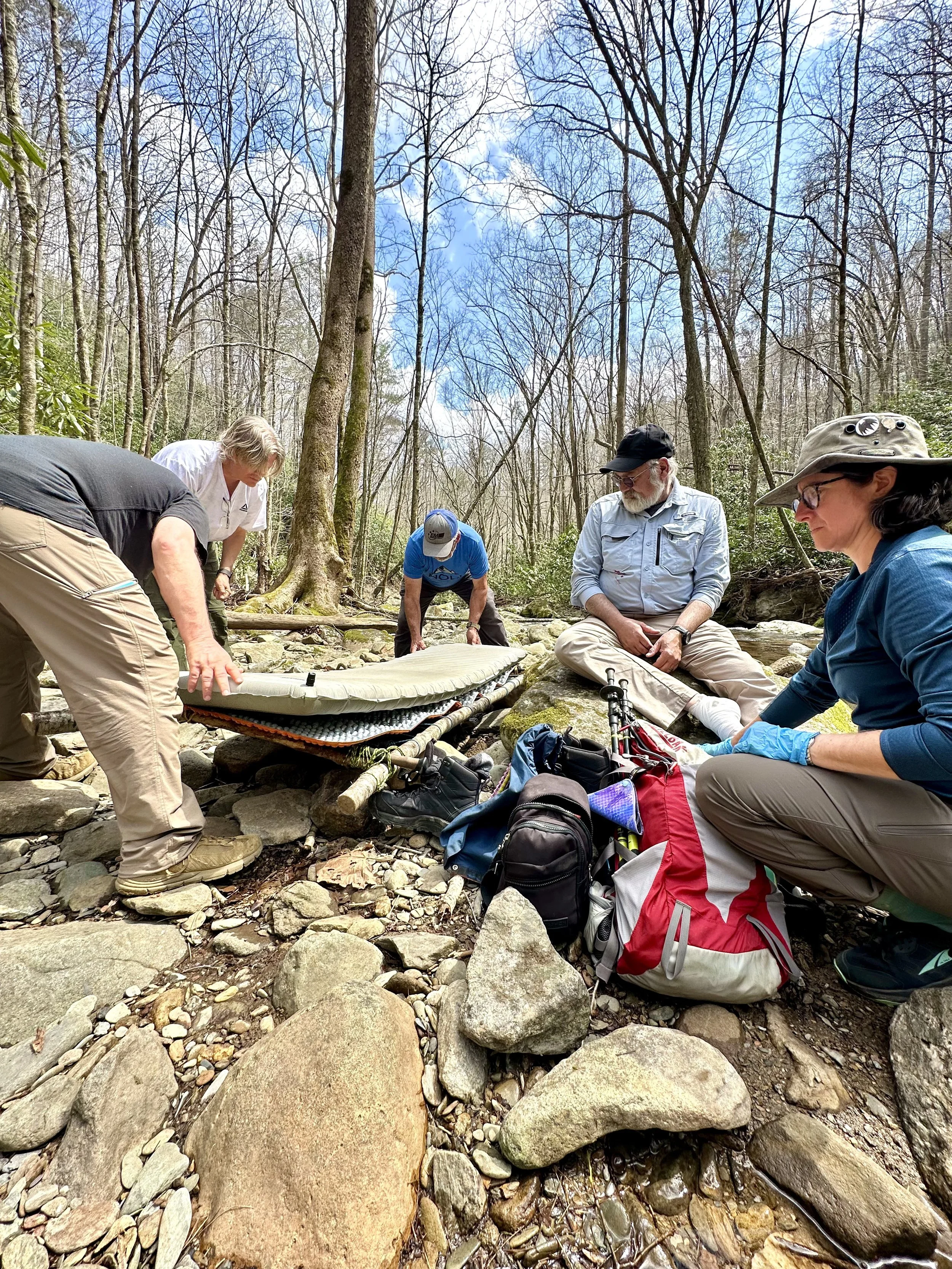
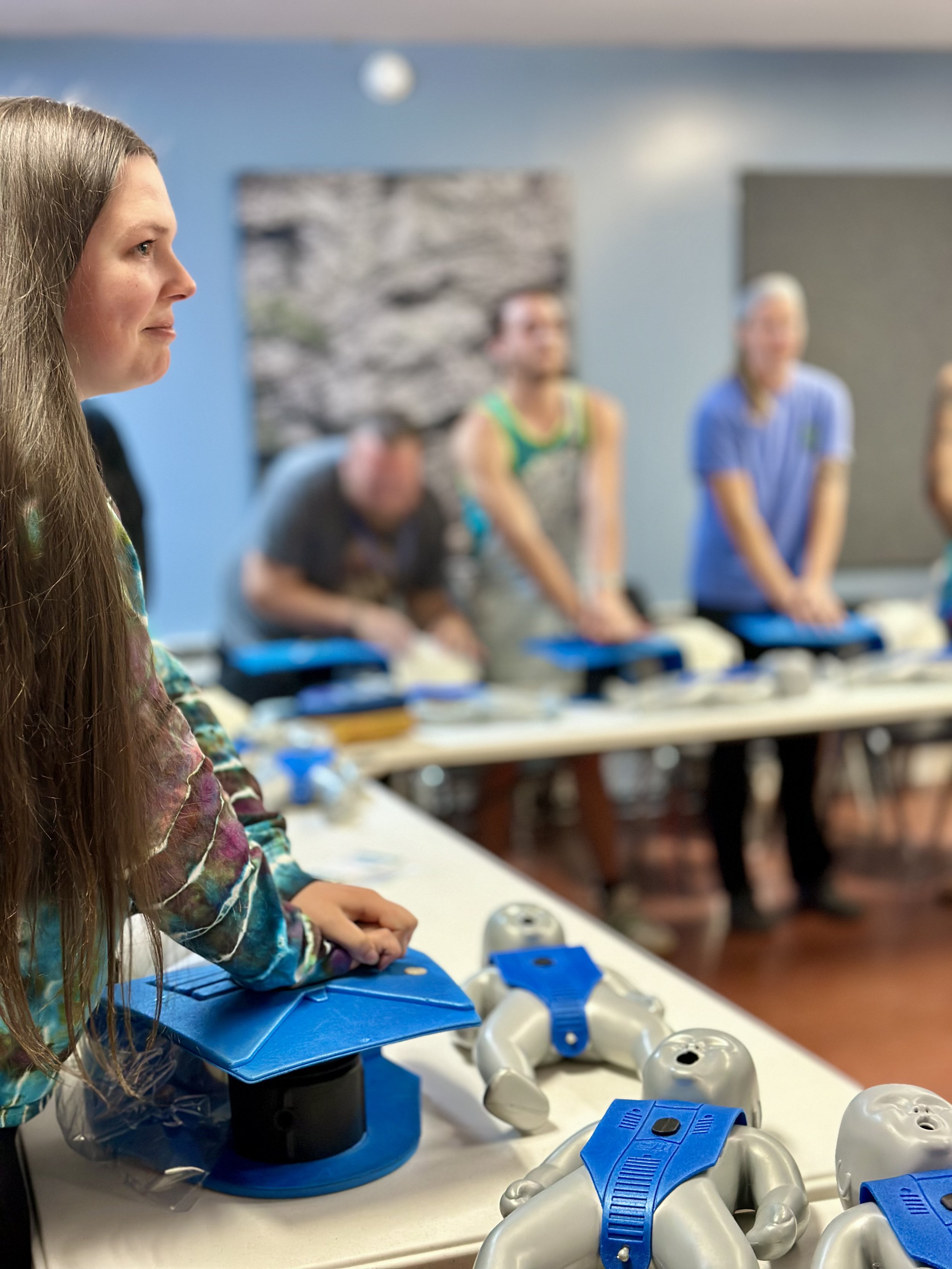
CPR certification
How old do you have to be to become CPR certified?
1
There is no minimum age to become CPR certified through ECSI - no matter what age, the rescuer just needs to have the physical strength to perform compressions to qualify for a class. If you are booking through a group/agency (i.e Boy Scouts, Girl Scouts, Independent School District, etc.) they might have a minimum age that they set. Kids love our classes. If you have a young child you would like to have take our CPR class, just give us a call or email to make sure it is a good match for your child!
How long does a CPR certification last?
2
CPR and First Aid certifications last for 2 years from the date of your course completion. Once your certification is expired, you will need to take another class to renew your certification.
How much does a CPR class cost?
3
Most of the time, when people or employers refer to a CPR certification, they are referring to a CPR & First Aid Certification - it’s important to know which you need when looking at prices. We recommend doing your CPR and First Aid classes in the same sitting - both certifications are good for 2 years from the course completion, and generally go hand-in-hand when talking to employers such as the US Forest Service, Lifeguarding positions, outdoor industry, and education/daycare settings. Our CPR & First Aid course is $75/person for a two year certification.
Is my CPR certification valid nationwide?
4
So long as your CPR certification comes from a nationally-recognized body like Emergency Care and Safety Institute (like our courses), American Red Cross, or American Heart Association, your certification is valid nationwide. In the US, ECSI CPR Certifications are recognized by OSHA, the joint commission, and state offices of EMS, Education and Health. ECSI is recognized for work in EMS & Fire, law enforcement and corrections, school districts, childcare facilities, adult care and rehab facilities, lifeguarding, construction, parks and recreation, and more.
What is a CPR Certification?
5
Cardiopulmonary resuscitation is a certification for lay responders with little-to-no medical training who want/need training for their job or anyone who wants to be prepared for a medical emergency specifically concerning choking, inability to swallow or breathe, or responding to life-threatening heart issues.
The difference between the classes
What’s the difference between a CPR certification and a BLS Certification?
1
BLS certification targets people who work in the medical field and have medical background. It is primarily used in a hospital/care facility.
CPR training for the layperson is designed to give members of the community confidence to get involved and help in an emergency, through recognizing the signs of a heart attack, understanding when and how to give CPR, and how to help someone who is choking.
What is the difference between First Aid and Wilderness First Aid ?
2
A Standard First Aid course is intended to be used when the injured person can get to definitive medical care (Ambulance or Hospital) in 60 minutes or less. This applies to First Aid practiced in cities and towns, most homes, businesses, and recreation areas, including most National Parks with their own EMS.
Wilderness First Aid is practiced when definitive medical care is more than 1 hour away. This could apply to State Parks, wilderness areas, camping-related injuries, and extended outdoor trips.
Standard First Aid courses are inherently less comprehensive and take less time to get certified than Wilderness First Aid - a Standard First Aid certification can take as little as 1-2 hours, a Wilderness First Aid certification is a 16 hour course. The Resusci-Taters offer everything from 2 day to 8 day wildmed programs.
What is CPR vs AED?
CPR is the procedure to manually pump blood and oxygen through the body; AED is the machine that will shock the heart in an effort to get it to start beating on its own again. Compression-only CPR by itself yields an 8.7% survival rate after one month, but when combined with AED shock, the survival rate drastically increases to 40.7%
3
My boss told me to get CPR certified, do I need First Aid too?
4
Most likely, but check with your employer to be sure. Most fields such as Education, Child Care Facilities, Government Agencies, Outdoor Professionals and Foster Parents are required to have both CPR and First Aid.
CPR and You
In most places, you do not have to perform CPR, even if you are certified. There are no laws in the United States requiring someone to perform CPR, even if they are CPR certified. You always have the right to choose when and if to perform CPR. If you are being certified through your employer as a condition of your employment, your employer may expect you to respond in an emergency to the best of your ability. This Good Samaritan Laws by state map can tell you the specific law to your state.
1
Do I have to do CPR if I am certified?
CPR can be easily mastered with hands-on training and practice. A recent study found 86 percent of children ages 9-18 could correctly perform CPR after receiving hands-on training. Our training is designed to help you feel comfortable, so you can spend your time learning.
2
Is it hard to learn CPR?
Children are naturally curious, they put things in their mouths, they crawl and walk around, they explore their environment in ways that are crucial to their development, while being potentially scary for their parents and caretakers! Our Child/Infant CPR covers choking, drowning, breathing issues, and more. Take a child/Infant CPR class to make sure you are prepared when things go wrong.
If you have kids, work with kids, or are ever around kids at all, child/infant CPR can save lives!
Child/Infant CPR is a skill that not everyone knows - taking a class full of repetition, helpful practice, and simulations will help you be calm, prepared, and clear headed if you ever find yourself in a situation where Child/Infant CPR is needed.
3
Why should I learn child/infant CPR?
Yes . It is better, easier, and faster to perform when you have taken a class and are certified, but you can absolutely perform CPR if you are untrained - Something is always better than nothing!
4
Can an untrained person give CPR?
Is having a CPR Certification important?
5
YES! Being CPR certified is crucial and lifesaving! Statistically, CPR is underperformed due to lack of knowledge and comfort with the skills. Most emergencies requiring CPR happen in the home, meaning most rescuers are in the home and know the victim. CPR certification is a life skill, work skill, and can save a life dear to you or near to you!
Make sure the scene is safe!
Call 911
If the person is NOT conscious and NOT breathing they need CPR
Start Chest Compressions - sing the song Staying Alive
Start Breathing if you are willing - 2 breaths every 30 compressions
6
What are some tips for doing CPR?
Do I need to be CPR Certified to graduate high school in North Carolina?
7
As of the 2014-2015 school year, House Bill 837 requires North Carolina students to obtain a CPR certification before graduating with their high school diploma